How International Car Shipping Works From Pickup to Delivery

  • Overseas vehicle transport involves more than the main trip by air or sea.
  • A strong plan starts with pickup details, paperwork, vehicle condition, and timing.
  • Air freight may make sense for urgent or high-value moves, while ocean freight is often chosen for more flexible timelines.
  • Preparation helps reduce confusion before loading, customs review, and delivery.
  • Working with one coordinated provider can make the process easier to follow from start to finish.

Moving a vehicle overseas can feel complicated at first, especially when it is valuable, rare, newly purchased, or tied to a relocation deadline. There are routes to compare, documents to gather, inspections to complete, and timing details to coordinate before the vehicle ever leaves the ground. 

That is why international car shipping works best when every step is planned carefully instead of being handled one piece at a time. Let’s walk through the process from pickup to delivery, so you know what to expect before your vehicle begins its journey.

How does international car shipping work?

How does international car shipping work

The process usually begins with basic shipment details: where the vehicle is now, where it is going, what type of vehicle it is, and how quickly it needs to arrive. Those answers help determine the best transport method, pickup plan, paperwork needs, and final delivery approach.

From there, the provider reviews the route and explains what needs to happen before the vehicle moves. This may include confirming ownership documents, photo identification, title and registration, lender information when applicable, keys, and any destination-specific requirements. Some countries have their own import or export rules, so the paperwork stage matters.

After the plan is set, the vehicle is picked up, inspected, documented, and transported to the departure point. Depending on the route, it may be moved by enclosed carrier before being loaded for air or ocean transit. Once it reaches the destination region, it may go through customs-related steps, be received by a partner or facility, and then be delivered, stored, or prepared for final handoff.

The first decision is usually air or ocean

Choosing the main transport method is one of the biggest decisions in the process. If the vehicle needs to arrive quickly, air freight may be the better fit. If the schedule allows more flexibility, ocean freight may be more practical. A collector vehicle headed to an event, auction, or private delivery may need a faster route. A vehicle being moved for relocation, sale, or seasonal use may have more room in the schedule.

The best option depends on timing, destination, vehicle value, budget, and comfort level. A good plan should explain the tradeoffs clearly rather than pushing one method for every situation.

Pickup & inspection create the starting record

Before the vehicle leaves, its condition should be documented. This step may include photos, notes about existing marks or modifications, mileage, accessories, and any special handling instructions. For luxury, exotic, classic, or high-end vehicles, this record gives everyone a clearer reference point.

Pickup also involves practical details. The vehicle should be accessible, the keys should be ready, and the route to the pickup point should allow safe loading. If enclosed transport is being used for the inland portion, the team should understand how to handle the vehicle’s clearance, dimensions, and any special requirements.

Documentation keeps the shipment moving

Paperwork is one of the areas where owners can feel the most uncertainty. Requirements vary by destination, ownership status, shipping method, and whether the vehicle is being exported, imported, sold, relocated, or temporarily moved.

In general, the process may involve proof of ownership, registration, identification, lender authorization when needed, and destination-specific forms. A provider familiar with customs paperwork and export compliance can help explain what applies, what needs to be gathered early, and where delays are most likely to happen.

Preparation matters before the vehicle is loaded

The vehicle should be clean enough to inspect, free of personal items, and ready for the selected transport method. Owners should also address obvious fluid leaks, confirm battery considerations, and document the condition before pickup.

For valuable vehicles, knowing how to prepare for overseas transport is especially important. Rare finishes, low clearance, custom components, older interiors, and delicate materials all deserve careful attention before the vehicle is moved. Preparation helps protect it and gives the transport team better information.

Urgent moves may call for air transport

secure international car shipping

Not every overseas move needs the fastest option, but some do. Understanding when air shipping is worth the higher cost can help owners decide whether speed is worth the added investment. Air freight may be appropriate for deadline-sensitive deliveries, high-value vehicles, special events, or prototypes.

If there is no tight deadline, ocean freight may still be the better fit. The important thing is choosing based on the vehicle’s needs, not just the transportation category.

Who can I call for secure international car shipping near me?

JP Logistics can help you plan the full move from pickup to final handoff, whether your vehicle is traveling across the U.S. before departure or arriving stateside after an overseas move. Our nationwide network, secure facilities, enclosed transport options, documentation support, storage when needed, and experienced handling team make the process easier to coordinate from one step to the next. Since 1995, we’ve handled luxury, classic, exotic, and high-end vehicles that require thoughtful care. Contact us today or request a quote to discuss your route, timeline, and next steps.

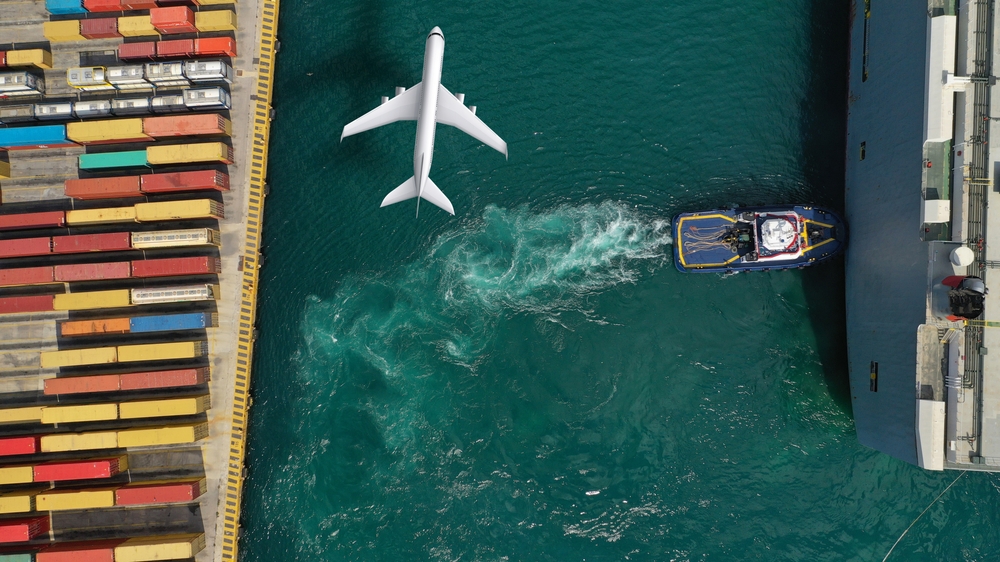
Air vs. Ocean Car Shipping: Which One Is Right for You

  • Air freight is usually best when speed, timing, or vehicle value is the main concern.
  • Ocean freight is often a practical option when the schedule is more flexible.
  • The right choice depends on destination, budget, timeline, documentation needs, and vehicle type.
  • International vehicle shipping involves more than the main transport method; pickup, customs, storage, and delivery coordination all matter.
  • Luxury, classic, exotic, and high-end vehicles benefit from careful preparation before overseas transport.

Air and ocean freight can both move a vehicle across borders, but they serve different needs. One is usually chosen for speed, urgency, and higher-value moves. The other is often selected for planning flexibility and more cost-conscious international transport. 

If you are comparing ocean and air car shipping, the right choice depends on your timeline, destination, vehicle type, budget, and how much handling support you want from pickup to final delivery. In today’s blog, we will look at how each method works, where each one makes sense, and what owners should consider before choosing a route

Which is better, air freight or sea freight?

Neither is automatically better for every vehicle. Air freight is usually the better fit when timing matters most, the vehicle is especially valuable, or the owner wants the fastest possible international move. Sea freight is often the better fit when the schedule allows more flexibility and the owner wants a more practical option for overseas transport.

The decision usually comes down to three questions: how quickly does the vehicle need to arrive, how sensitive is the owner to cost, and what level of care does the vehicle require along the way? A daily driver, dealership unit, prototype, collector vehicle, or event-bound exotic may all need a different plan.

When air freight makes more sense

Which is better air freight or sea freight

It is often chosen for high-value, time-sensitive, or rare vehicles. If there is a need to reach an international event, auction, private buyer, seasonal residence, or important deadline, this type of transport can reduce transit time compared with ocean transport.

The added expense may make sense when the vehicle’s timeline is not flexible or when its value makes extended transit less appealing. Owners of exotic, luxury, and classic vehicles may also prefer it when they want a faster handoff and a more direct schedule.

If there is no urgent delivery date, the higher cost may not be the best use of the budget. A good plan should match the reason for the move instead of defaulting to the fastest option.

When ocean freight may be the better option

It is often used when the destination is overseas, and the owner has more time to plan. It can be a practical choice for relocations, purchases, sales, seasonal moves, and vehicles that do not need to arrive within a narrow window.

Sea freight may take longer, but that does not mean it should be treated casually. The vehicle still needs careful handling, proper documentation, secure loading, and coordination before and after the vessel portion of the trip. Owners should also think about timing at the port, customs steps, inland transport, and storage if pickup or delivery dates do not line up perfectly.

For many people, the best option is the one that balances cost, timing, and confidence. A longer route can still be a smart choice when the vehicle is prepared well and the logistics are organized.

The full process matters as much as the transport method

It is easy to focus only on one or the other portion, but international transport involves more than the main leg of travel. The vehicle has to be picked up, inspected, documented, transported to the departure point, loaded properly, cleared through required steps, received at the destination, and delivered or stored as needed.

A strong provider can help explain what paperwork may be needed, how timing is handled, what happens before loading, and what communication to expect during the process.

For valuable vehicles, the details around transport can matter just as much as the route itself. Enclosed inland transport, secure facilities, trained handling, and clear documentation can help make the overall move feel more organized.

Preparation protects the vehicle & the timeline

trusted ocean & air car shipping

Before a vehicle leaves the country, it should be ready for the journey. That may include cleaning it, documenting its condition, gathering ownership paperwork, removing personal items, checking for visible leaks, and confirming any special requirements based on destination.

Knowing how to prepare a luxury or classic vehicle for overseas transport is especially useful when the vehicle is rare, restored, modified, or difficult to replace. Preparation gives the transport team a clearer starting point and helps reduce confusion if questions come up during handling, customs, or delivery coordination.

Who specializes in trusted ocean & air car shipping near me?

JP Logistics can help you compare options and choose a plan that fits your vehicle, timeline, and destination. Whether your vehicle needs enclosed transport within the U.S. before departure or coordinated delivery after arriving stateside, our nationwide network can support pickup, documentation, secure handling, storage when needed, and final delivery planning. Since 1995, we have worked with luxury, classic, exotic, and high-end vehicles that require careful coordination. Contact us today or request a quote to discuss the best route for your next move.