Short-Term vs. Long-Term Car Storage: Which One Does Your Vehicle Need?

  • Match storage type to time off-road, vehicle value, and future use.
  • Short-term storage suits brief gaps, travel, transport, service, or seasons.
  • Long-term storage fits extended inactivity, relocation, or collector vehicles.
  • Longer storage needs battery, tire, fluid, and climate protection.
  • Secure indoor, climate-controlled storage best preserves premium cars.

Storing a classic or luxury vehicle is not simply about finding a place to park it. The right storage plan depends on how long the car will sit, how often you expect to use it, and how much protection it needs while off the road. A vehicle that will be stored for a few weeks may not need the same level of preparation as one that will remain inactive for several months. That is why it helps to understand the difference before making a decision.

If you are researching luxury car storage, the goal should be to match the method to the condition, value, and future use of the vehicle. Proper planning helps protect the battery, tires, fluids, finish, and interior while reducing the risks that come with inactivity. In today’s blog, we will look at what long-term storage usually means and how to tell whether your vehicle needs a short-term or long-term solution.

What is considered long-term storage for a car?

luxury car storage

In general, it means a vehicle will remain stored for an extended period rather than being driven regularly. While there is no single cutoff that applies to every situation, anything beyond a brief holding period usually calls for more careful preparation. A vehicle stored for a few days or a couple of weeks may only need basic protection, while one sitting for several months usually needs a more deliberate strategy.

Short-term storage is often the better fit when:

  1. The vehicle is only being held between events
  2. You are traveling temporarily
  3. You will be back on the road soon
  4. The vehicle is waiting for transport, service, or seasonal use

In these cases, the focus is usually on keeping the vehicle secure, clean, and protected without putting it through a full preparation process.

Long-term storage becomes more appropriate when:

  1. The vehicle will not be driven for an extended season
  2. You are relocating or downsizing
  3. The vehicle is part of a collection and used infrequently
  4. The vehicle is being preserved while market timing, restoration planning, or personal schedules change

The longer it sits, the more important it becomes to think about battery care, tire pressure, fluids, climate conditions, and general protection from dust, moisture, and environmental wear.

Why the distinction matters

A vehicle can begin to suffer from inactivity sooner than many owners expect. Tires can develop flat spots, batteries can discharge, and fluids can settle or degrade if the car is not being managed properly. That does not mean every stored vehicle faces the same risk, but it does mean the plan should reflect the time involved.

Conditions matter as much as time

Duration is only part of the equation. Storage quality matters too. A high-value classic stored indoors with proper oversight is in a much better position than one left in an uncontrolled environment. For premium vehicles, the safest approach is usually a secure indoor setting designed to reduce unnecessary exposure and preserve condition over time.

Choosing the right approach

The right answer depends on how you plan to use the vehicle next. If it will return to regular driving soon, short-term storage may be all you need. If the vehicle is being preserved for a longer period, long-term storage usually makes more sense because it provides the level of care and protection required for extended inactivity.

That difference is especially important for classic, exotic, and collectible vehicles. These are not everyday drivers, and they often require more thoughtful handling to maintain their condition and long-term value.

Who offers professional luxury car storage?
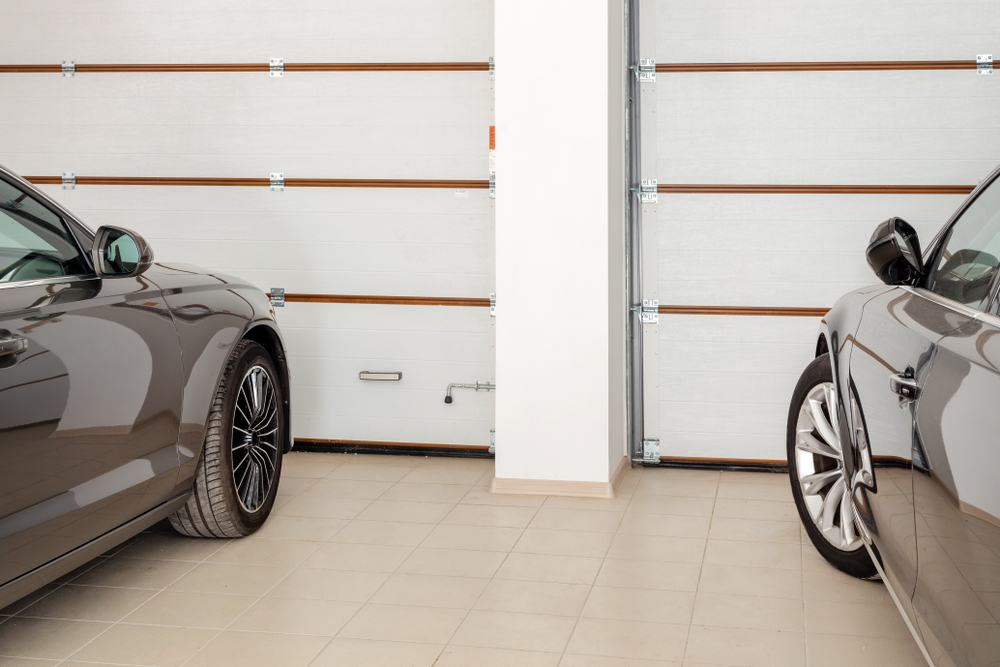
Who offers professional luxury car storage?

Choosing the right provider matters just as much as deciding how long the vehicle will stay off the road. At JP Logistics, we specialize in secure solutions designed specifically for classic, exotic, and luxury vehicles. Our team understands that protecting a high-value vehicle means thinking beyond basic parking and focusing on security, handling, and long-term preservation.

No matter if your vehicle is being stored for a shorter or a longer holding period, we provide the kind of professional care owners expect for collector-grade automobiles. Contact us today to arrange secure, climate-controlled storage tailored to your car.


How to Prepare a Classic Car for Storage

  • Clean the car inside and out before storage to prevent damage and odors.
  • Protect the battery so it holds charge during long periods off the road.
  • Check fluids, leaks, and tire pressure before storing the vehicle.
  • Use a breathable cover in a secure, enclosed, climate-controlled space.
  • Proper prep and limited handling help preserve value and condition.

Putting a classic vehicle into storage is not as simple as parking it, covering it, and walking away. High-value cars require more thoughtful preparation because even a short period of inactivity can affect mechanical systems, finishes, tires, and interior materials. The longer a vehicle sits without the right precautions, the greater the chance that small issues can turn into costly problems. That is why owners who are considering classic car storage should think carefully about how the vehicle is prepared before it is stored.

In today’s blog, we will look at the best way to store a classic car and the steps that help protect it while it is off the road.

What is the best way to store a classic car?

classic car storage

Store in a secure, enclosed, and professionally managed environment where the vehicle is protected from moisture, dust, temperature swings, and unnecessary handling. But the storage space itself is only part of the equation. The vehicle also needs to be prepared correctly before it goes in.

1. Start with a thorough cleaning

Before storage, the vehicle should be cleaned carefully inside and out. Dirt, brake dust, bug residue, and road grime can sit on the finish and become harder to remove over time. The same is true inside the cabin, where crumbs, dust, and overlooked debris can attract odors or lead to staining.

A proper pre-storage cleaning usually includes:

  • Washing and drying the exterior thoroughly
  • Cleaning wheels and tires
  • Removing residue from paint and trim
  • Vacuuming the interior
  • Wiping down hard surfaces
  • Making sure no food, moisture, or debris remains inside

2. Protect the battery

One of the most common issues is battery drain. If it will not be driven for an extended period, the battery can lose charge and may even fail if left unattended for too long. Using proper battery maintenance helps keep the vehicle in better condition and reduces the chance of problems when it is time to drive it again.

3. Check fluids and basic condition

It should not go into storage with unresolved maintenance issues. It is wise to check fluid levels, inspect for leaks, and make sure the vehicle is in sound condition before storing it. Depending on the length of storage, some owners also consider whether fuel condition, oil age, and tire pressure should be addressed in advance.

The point is to avoid storing a vehicle with known problems that could worsen over time.

4. Pay attention to tires

Tires can be affected by long periods of inactivity, especially if the vehicle remains in one position without movement. Proper inflation is important before storage. For longer storage periods, owners may also want to think about how to reduce stress on the tires and suspension.

5. Use the right cover and environment

A breathable, properly fitted cover can help protect the vehicle from dust while avoiding the problems that come with trapping moisture. Just as important is the setting itself. The best storage environment is enclosed, secure, and designed for collector or high-value vehicles rather than general parking.

This matters because classic and luxury vehicles are more sensitive to:

  • Humidity
  • Temperature changes
  • Dust buildup
  • Accidental contact
  • Poor security
  • Careless handling

The more controlled the environment, the better the protection.

6. Avoid unnecessary exposure and handling

One major advantage of professional storage is that the vehicle is not being moved, squeezed into a crowded space, or left exposed to the conditions that often come with ordinary parking facilities. For collectible vehicles, minimizing unnecessary handling helps preserve condition and gives owners greater peace of mind.

7. Think beyond short-term convenience

The best plan is not only about where the car will sit today. It is about how well it will come out of storage later. A car that is cleaned, stabilized, protected, and stored in the right environment is much easier to return to service without surprises. That is especially important for classic, exotic, and luxury vehicles where originality, appearance, and mechanical condition all matter.

In other words, the best way to store a classic vehicle is with preparation, protection, and a provider that understands the specific needs of premium vehicles.

Where can I find premium classic car storage?

Where can I find premium classic car storage?

At JP Logistics, we provide secure, professional solutions designed specifically for luxury, exotic, and classic vehicles. We understand that storing a high-value car means more than keeping it off the road. It means protecting its condition, preserving its value, and making sure it receives the level of care owners expect. Whether your vehicle is being stored for a short transition or a longer period of preservation, we are ready to help you find the right solution. Contact us today to arrange a solution tailored to your vehicle’s needs.