How International Car Shipping Works From Pickup to Delivery

  • Overseas vehicle transport involves more than the main trip by air or sea.
  • A strong plan starts with pickup details, paperwork, vehicle condition, and timing.
  • Air freight may make sense for urgent or high-value moves, while ocean freight is often chosen for more flexible timelines.
  • Preparation helps reduce confusion before loading, customs review, and delivery.
  • Working with one coordinated provider can make the process easier to follow from start to finish.

Moving a vehicle overseas can feel complicated at first, especially when it is valuable, rare, newly purchased, or tied to a relocation deadline. There are routes to compare, documents to gather, inspections to complete, and timing details to coordinate before the vehicle ever leaves the ground. 

That is why international car shipping works best when every step is planned carefully instead of being handled one piece at a time. Let’s walk through the process from pickup to delivery, so you know what to expect before your vehicle begins its journey.

How does international car shipping work?

How does international car shipping work

The process usually begins with basic shipment details: where the vehicle is now, where it is going, what type of vehicle it is, and how quickly it needs to arrive. Those answers help determine the best transport method, pickup plan, paperwork needs, and final delivery approach.

From there, the provider reviews the route and explains what needs to happen before the vehicle moves. This may include confirming ownership documents, photo identification, title and registration, lender information when applicable, keys, and any destination-specific requirements. Some countries have their own import or export rules, so the paperwork stage matters.

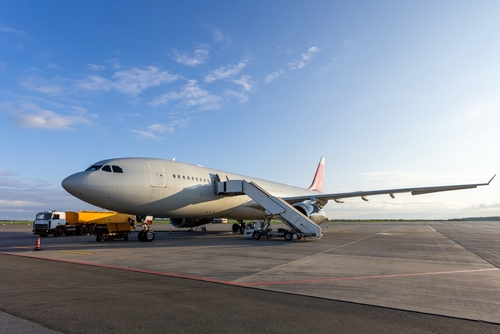
After the plan is set, the vehicle is picked up, inspected, documented, and transported to the departure point. Depending on the route, it may be moved by enclosed carrier before being loaded for air or ocean transit. Once it reaches the destination region, it may go through customs-related steps, be received by a partner or facility, and then be delivered, stored, or prepared for final handoff.

The first decision is usually air or ocean

Choosing the main transport method is one of the biggest decisions in the process. If the vehicle needs to arrive quickly, air freight may be the better fit. If the schedule allows more flexibility, ocean freight may be more practical. A collector vehicle headed to an event, auction, or private delivery may need a faster route. A vehicle being moved for relocation, sale, or seasonal use may have more room in the schedule.

The best option depends on timing, destination, vehicle value, budget, and comfort level. A good plan should explain the tradeoffs clearly rather than pushing one method for every situation.

Pickup & inspection create the starting record

Before the vehicle leaves, its condition should be documented. This step may include photos, notes about existing marks or modifications, mileage, accessories, and any special handling instructions. For luxury, exotic, classic, or high-end vehicles, this record gives everyone a clearer reference point.

Pickup also involves practical details. The vehicle should be accessible, the keys should be ready, and the route to the pickup point should allow safe loading. If enclosed transport is being used for the inland portion, the team should understand how to handle the vehicle’s clearance, dimensions, and any special requirements.

Documentation keeps the shipment moving

Paperwork is one of the areas where owners can feel the most uncertainty. Requirements vary by destination, ownership status, shipping method, and whether the vehicle is being exported, imported, sold, relocated, or temporarily moved.

In general, the process may involve proof of ownership, registration, identification, lender authorization when needed, and destination-specific forms. A provider familiar with customs paperwork and export compliance can help explain what applies, what needs to be gathered early, and where delays are most likely to happen.

Preparation matters before the vehicle is loaded

The vehicle should be clean enough to inspect, free of personal items, and ready for the selected transport method. Owners should also address obvious fluid leaks, confirm battery considerations, and document the condition before pickup.

For valuable vehicles, knowing how to prepare for overseas transport is especially important. Rare finishes, low clearance, custom components, older interiors, and delicate materials all deserve careful attention before the vehicle is moved. Preparation helps protect it and gives the transport team better information.

Urgent moves may call for air transport

secure international car shipping

Not every overseas move needs the fastest option, but some do. Understanding when air shipping is worth the higher cost can help owners decide whether speed is worth the added investment. Air freight may be appropriate for deadline-sensitive deliveries, high-value vehicles, special events, or prototypes.

If there is no tight deadline, ocean freight may still be the better fit. The important thing is choosing based on the vehicle’s needs, not just the transportation category.

Who can I call for secure international car shipping near me?

JP Logistics can help you plan the full move from pickup to final handoff, whether your vehicle is traveling across the U.S. before departure or arriving stateside after an overseas move. Our nationwide network, secure facilities, enclosed transport options, documentation support, storage when needed, and experienced handling team make the process easier to coordinate from one step to the next. Since 1995, we’ve handled luxury, classic, exotic, and high-end vehicles that require thoughtful care. Contact us today or request a quote to discuss your route, timeline, and next steps.

Air vs. Ocean Car Shipping: Which One Is Right for You

  • Air freight is usually best when speed, timing, or vehicle value is the main concern.
  • Ocean freight is often a practical option when the schedule is more flexible.
  • The right choice depends on destination, budget, timeline, documentation needs, and vehicle type.
  • International vehicle shipping involves more than the main transport method; pickup, customs, storage, and delivery coordination all matter.
  • Luxury, classic, exotic, and high-end vehicles benefit from careful preparation before overseas transport.

Air and ocean freight can both move a vehicle across borders, but they serve different needs. One is usually chosen for speed, urgency, and higher-value moves. The other is often selected for planning flexibility and more cost-conscious international transport. 

If you are comparing ocean and air car shipping, the right choice depends on your timeline, destination, vehicle type, budget, and how much handling support you want from pickup to final delivery. In today’s blog, we will look at how each method works, where each one makes sense, and what owners should consider before choosing a route

Which is better, air freight or sea freight?

Neither is automatically better for every vehicle. Air freight is usually the better fit when timing matters most, the vehicle is especially valuable, or the owner wants the fastest possible international move. Sea freight is often the better fit when the schedule allows more flexibility and the owner wants a more practical option for overseas transport.

The decision usually comes down to three questions: how quickly does the vehicle need to arrive, how sensitive is the owner to cost, and what level of care does the vehicle require along the way? A daily driver, dealership unit, prototype, collector vehicle, or event-bound exotic may all need a different plan.

When air freight makes more sense

Which is better air freight or sea freight

It is often chosen for high-value, time-sensitive, or rare vehicles. If there is a need to reach an international event, auction, private buyer, seasonal residence, or important deadline, this type of transport can reduce transit time compared with ocean transport.

The added expense may make sense when the vehicle’s timeline is not flexible or when its value makes extended transit less appealing. Owners of exotic, luxury, and classic vehicles may also prefer it when they want a faster handoff and a more direct schedule.

If there is no urgent delivery date, the higher cost may not be the best use of the budget. A good plan should match the reason for the move instead of defaulting to the fastest option.

When ocean freight may be the better option

It is often used when the destination is overseas, and the owner has more time to plan. It can be a practical choice for relocations, purchases, sales, seasonal moves, and vehicles that do not need to arrive within a narrow window.

Sea freight may take longer, but that does not mean it should be treated casually. The vehicle still needs careful handling, proper documentation, secure loading, and coordination before and after the vessel portion of the trip. Owners should also think about timing at the port, customs steps, inland transport, and storage if pickup or delivery dates do not line up perfectly.

For many people, the best option is the one that balances cost, timing, and confidence. A longer route can still be a smart choice when the vehicle is prepared well and the logistics are organized.

The full process matters as much as the transport method

It is easy to focus only on one or the other portion, but international transport involves more than the main leg of travel. The vehicle has to be picked up, inspected, documented, transported to the departure point, loaded properly, cleared through required steps, received at the destination, and delivered or stored as needed.

A strong provider can help explain what paperwork may be needed, how timing is handled, what happens before loading, and what communication to expect during the process.

For valuable vehicles, the details around transport can matter just as much as the route itself. Enclosed inland transport, secure facilities, trained handling, and clear documentation can help make the overall move feel more organized.

Preparation protects the vehicle & the timeline

trusted ocean & air car shipping

Before a vehicle leaves the country, it should be ready for the journey. That may include cleaning it, documenting its condition, gathering ownership paperwork, removing personal items, checking for visible leaks, and confirming any special requirements based on destination.

Knowing how to prepare a luxury or classic vehicle for overseas transport is especially useful when the vehicle is rare, restored, modified, or difficult to replace. Preparation gives the transport team a clearer starting point and helps reduce confusion if questions come up during handling, customs, or delivery coordination.

Who specializes in trusted ocean & air car shipping near me?

JP Logistics can help you compare options and choose a plan that fits your vehicle, timeline, and destination. Whether your vehicle needs enclosed transport within the U.S. before departure or coordinated delivery after arriving stateside, our nationwide network can support pickup, documentation, secure handling, storage when needed, and final delivery planning. Since 1995, we have worked with luxury, classic, exotic, and high-end vehicles that require careful coordination. Contact us today or request a quote to discuss the best route for your next move.

Why Luxury Car Storage Is About More Than Just Parking Indoors

For owners of luxury, exotic, and classic vehicles, storage is rarely just about finding an empty space. These cars often represent years of careful ownership, personal meaning, or serious investment. While a standard garage may keep a vehicle out of the rain, it may not provide the protection, monitoring, or specialized care that high-value cars need. 

That is why many owners look into indoor car storage when they want more confidence in where and how their vehicle is kept. In today’s blog, we will look at why people put their cars in storage, what separates true luxury vehicle storage from basic parking, and what owners should consider before choosing a facility, which is why you should keep reading to learn more!

Why do people put their cars in storage?

People store vehicles for different reasons. Some need a safe place while they travel. Others are protecting a seasonal car, waiting for transport, preparing for a move, or managing a larger collection. For luxury and collector vehicles, the reason may be practical, personal, or both.

The main point is that storage should match the vehicle’s value and the owner’s situation. A rare car should not be treated like an everyday commuter parked in a crowded lot. It needs the right environment, careful handling, and a plan that accounts for how long it will be off the road.

Life transitions can create storage gaps

why do people put their cars in storage

Many owners turn to storage because their schedule, location, or ownership plans are changing. They may split time between homes, travel for long stretches, relocate for work, or need temporary storage while a property is being renovated. Sometimes the timing is even more specific: a vehicle arrives before the owner does, a transport date changes, or a car needs to wait safely before an auction, concours, dealership delivery, or private handoff.

In these situations, storage gives owners more control. Instead of leaving a valuable vehicle in a driveway, shared garage, or unfamiliar space, they can place it somewhere designed to manage access, surroundings, and handling.

That flexibility also matters because storage timelines vary. A car stored for two weeks does not have the same needs as one stored for six months. Whether the situation calls for a short stay or long-term plan, the storage arrangement should fit the vehicle instead of forcing the owner into a generic option.

Seasonal cars need protection between drives

Many classic, luxury, and high-end vehicles are not driven year-round. Some are only used during certain seasons. Others are reserved for weekends, shows, special occasions, or long-distance events. When a vehicle spends more time parked than driven, the storage setting becomes part of its overall care.

Even when a car is sitting still, it is still affected by its environment. Sunlight can fade or dry certain materials. Moisture can contribute to corrosion or musty odors. Dust can settle into small gaps and surfaces. Temperature swings can place stress on rubber, leather, electronics, paint, and trim over time.

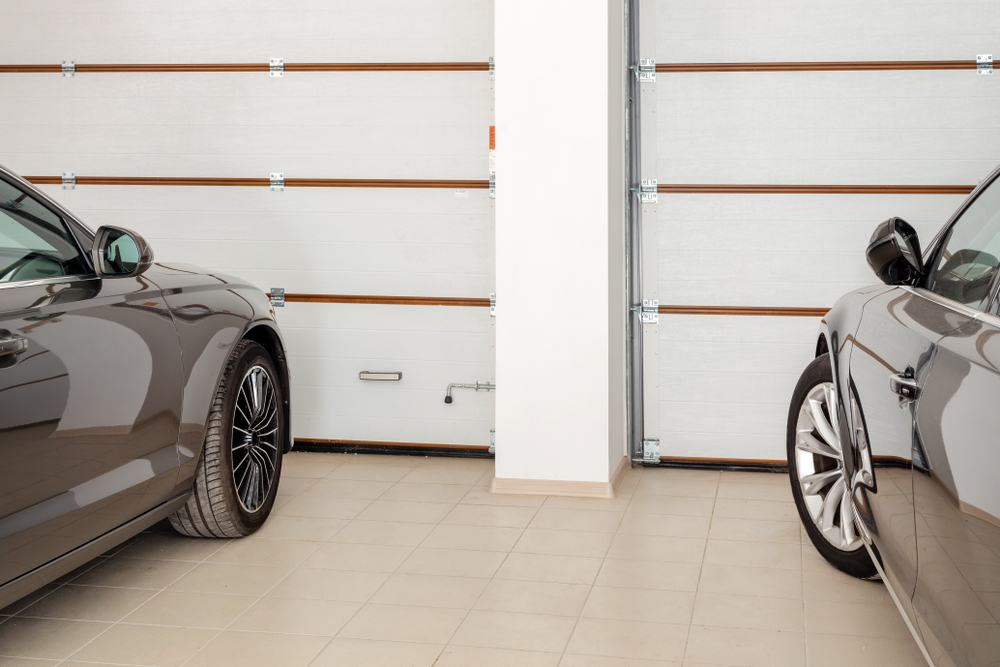
A basic garage may provide a roof, but it may not control humidity, limit dust, monitor access, or protect against accidental contact. For vehicles that will sit longer, stable conditions can protect valuable vehicles by reducing the environmental stress that builds slowly and quietly. When a vehicle is not being driven regularly, routine care still matters too. NHTSA explains that tire pressure deserves regular attention, which is one reason proper storage should account for more than simply keeping a vehicle indoors.

Valuable vehicles deserve careful preparation

Good storage starts before the vehicle is parked. A clean car is easier to inspect and less likely to carry road grime, residue, or moisture into storage. Fluid leaks should be addressed, the battery should be considered, and the vehicle’s condition should be documented. For high-end vehicles, small oversights can become expensive later.

Before storage, owners should make sure the car is prepared before it is stored. That can include washing the exterior, cleaning the interior, checking for obvious leaks, confirming fuel level requirements, disabling alarms if needed, and documenting the vehicle’s condition. When comparing storage options, it helps to look for details such as:

  • Climate-controlled indoor space
  • Monitored access and security systems
  • Experience with luxury, exotic, and classic vehicles
  • Careful loading, unloading, and parking procedures
  • Support for battery tending or tire monitoring
  • Flexible short-term and long-term storage options
  • Coordination with enclosed transport when needed

Those details matter because luxury storage is not only about where the car sits. It is also about who handles it, how it is monitored, and whether the facility is designed around the needs of valuable vehicles.

Storage can support transport and ownership changes

Many owners also need storage as part of a larger process. A car may be waiting for enclosed transport, arriving from another state, moving between residences, or preparing for international shipping. In these cases, storage and transportation should work together rather than feel like separate problems to solve.

who provides reliable indoor car storage near me

A provider with both storage and transport capabilities can help reduce gaps between pickup, holding, and delivery. This can be especially useful for owners coordinating dealership transfers, fleet distribution, event arrivals, auctions, or private sales.

At its core, professional storage is about trust. Owners want to know their vehicle is protected from the elements, handled by trained professionals, and kept in a facility designed for valuable cars. They also want clear communication, flexible options, and confidence that the vehicle is being cared for properly. That is what separates true luxury storage from simply parking indoors: climate, security, preparation, access, documentation, and the people responsible for the car while it is out of your hands.

Who provides reliable indoor car storage near me?

Some cars are easy to park and forget. Yours probably is not one of them. At JP Logistics, we understand that a valuable vehicle comes with questions: where it will be kept, who will handle it, how it will be monitored, and whether it will be ready when you need it again. That is why we provide climate-controlled storage, monitored facilities, careful handling, and support before, during, and after transport. Whether your vehicle is staying with us for a short transition or a longer period of preservation, we can help keep it protected, accessible, and cared for until you are ready for it again. Reach out to us today!

Why Climate-Controlled Storage Matters for Classic and Exotic Cars

  • Climate-controlled storage helps protect classic and exotic cars.
  • Stable conditions reduce risks from humidity, heat, cold, and dust.
  • Moisture can damage metal, leather, carpets, and enclosed cabins.
  • Professional storage adds security, handling, and environmental control.
  • Proper storage helps preserve vehicle condition, value, and readiness.

Classic and high-end vehicles deserve more than a quiet corner in a garage. Their finishes, interiors, mechanical systems, and long-term value can all be affected by the conditions around them, even when they are not being driven. Heat, cold, humidity, dust, and stagnant air may seem harmless at first, but over time, they can create problems that are expensive and frustrating to correct. 

That is why so many owners consider professional exotic car storage when they want a safer place for their prized vehicle. Today, we’ll explain why climate-controlled storage matters for classic and exotic cars, what it helps prevent, and how the right environment can protect your vehicle over time, so keep reading to learn more!

Why is it important to store collectible cars in a climate-controlled environment?

Collectible vehicles are often built with materials that need stable conditions. Leather, wood trim, rubber seals, paint, chrome, electronics, and mechanical components can all react to environmental changes. A standard garage may offer basic shelter, sure, but it does not always protect against humidity swings, temperature changes, airborne dust, or long periods of inactivity.

A climate-controlled environment helps reduce those risks by keeping the vehicle in a more consistent setting. This matters because collectible cars are rarely just transportation. They may be investments, restorations, family heirlooms, show vehicles, or limited-production models. Preserving them requires more than keeping them out of rain and direct sunlight.

Moisture can quietly cause damage

Moisture is one of the biggest concerns for stored vehicles. When humidity rises, condensation can form on metal surfaces, especially when temperatures shift. Over time, that can contribute to corrosion on exposed metal, undercarriage components, brake parts, and hardware. Even vehicles that appear clean and dry can be affected if they are stored in a damp space for weeks or months.

Moisture can also affect interiors. Leather may absorb humidity, carpets can hold musty odors, and enclosed cabins can become vulnerable to mildew if the environment is not properly managed.

Temperature swings can stress materials

Large temperature changes may seem like a minor inconvenience, but they can gradually stress the materials inside and outside a vehicle. Rubber seals can dry or contract. Leather may become stiff. Paint and trim may expand and contract at different rates. Electronics and batteries can also be affected by extreme heat or cold.

Climate-controlled storage helps reduce these swings. Instead of sitting in a hot, humid garage in summer or a cold, dry space in winter, the vehicle remains in a more balanced environment. That stability supports better long-term preservation.

Collectible cars often sit longer between drives

Many classic and high-end vehicles are not driven daily. Some are seasonal, some are stored during travel, and others are held between auctions, shows, relocations, or restoration work. When a car sits, small environmental problems have more time to develop.

Climate-controlled storage can be especially useful when a vehicle is being stored during:

what are the benefits of climate controlled storage
  • Extended travel or time away from home
  • A move between residences or properties
  • Seasonal weather changes or winter months
  • The period before or after enclosed transport
  • Auction, event, or concours scheduling
  • International shipping or delivery coordination

That is why the storage plan should match how long the vehicle will be off the road. A car being kept for a few weeks may need different attention than one being preserved for several months. Whether the situation calls for a short stay or an extended preservation plan, the goal is the same: keep the vehicle protected, accessible, and ready for its next use.

Ordinary indoor parking may not be enough

Indoor parking is a good start, but it does not automatically mean a vehicle is being stored correctly. A basic garage may still have poor ventilation, unstable humidity, open access, dust exposure, pest concerns, or limited monitoring. For high-value vehicles, that can leave too much to chance.

Professional storage is about more than a protected indoor space. It includes security, careful handling, controlled conditions, and attention to details that standard parking facilities may overlook. For collectible vehicles, those differences matter.

What are the benefits of climate-controlled storage?

Climate-controlled storage provides practical protection that helps preserve a vehicle’s condition, appearance, and readiness. It does not replace proper maintenance, but it creates a stronger foundation for long-term care.

Exterior finishes stay better protected

Paint, chrome, wheels, trim, and seals are all exposed to the air around the vehicle, even indoors. In an uncontrolled space, dust, humidity, and temperature changes can slowly affect the finish. Climate-controlled storage helps reduce exposure to the conditions that make detailing, paint correction, or corrosion repair more likely later.

This is especially important for vehicles with custom paint, rare finishes, older chrome, or delicate exterior materials. The more original or valuable the finish is, the more important the environment becomes.

Interior materials need stable conditions

Vehicle interiors can be especially sensitive. Leather can dry, crack, or absorb moisture. Wood trim may react to humidity changes. Cloth, carpet, and headliners can trap odors if a space is damp or poorly ventilated. Even plastics and adhesives may age faster in extreme heat.

A controlled storage environment helps maintain more stable conditions around these materials. That can make a major difference for classic cars with original interiors or high-end vehicles with premium leather, suede, carbon fiber, and custom cabin finishes.

Storage-related mechanical problems become less likely

A stored vehicle still needs care. Batteries can lose charge, tires can develop pressure issues, and fluids should be monitored. Climate control helps by reducing environmental stress, but the best storage facilities also pay attention to the vehicle itself.

Before a car is stored, it should be ready before it enters storage. That usually means it is clean, inspected, free of obvious fluid leaks, properly documented, and prepared for the length of time it will be parked. Good preparation and the right environment work together.

Rare and investment-grade vehicles deserve the right setting

Collectors often think in terms of condition, originality, mileage, documentation, and provenance. Storage conditions support all of those priorities because the wrong environment can slowly work against the value of the vehicle.

For example, a rare model may lose appeal if interior materials deteriorate, chrome begins to pit, paint becomes compromised, or musty odors develop. Climate-controlled storage helps reduce those risks by treating the vehicle as a valuable asset rather than just another parked car.

Security should work alongside environmental protection

Climate control matters, but it is only one part of proper storage. Security is just as important. A professional facility should offer monitored access, indoor bays, careful vehicle handling, and systems designed to protect against theft, damage, and unnecessary movement.

For owners who travel often, move between homes, manage collections, or coordinate shipping, this combination of environmental control and security is especially valuable. It means the car is not just sitting somewhere; it is being looked after in a setting designed for high-value vehicles.

Transport and relocation timelines become easier to manage

Many owners need storage during a move, before or after transport, while waiting for international shipping, or between events. Climate-controlled storage can close the gap between pickup and delivery, which helps prevent a vehicle from being left in an unsuitable location.

This is helpful for private owners, dealerships, collectors, auction houses, and event participants. Instead of coordinating storage, transport, and handling separately, a professional provider can help make the process smoother from start to finish.

Owners gain more confidence while the vehicle is stored

Perhaps the biggest benefit is confidence. Owners should not have to wonder whether their vehicle is exposed to heat, moisture, dust, or careless handling. With the right facility, they can know the car is stored indoors, monitored, and treated with the level of care its value deserves.

That peace of mind is especially important for vehicles that are difficult to replace. A collectible car may represent years of searching, restoring, or preserving. The storage environment should respect that.

Who can I contact for the safest exotic car storage near me?

who can i contact for the safest exotic cars storage near me

If you want your vehicle stored with the same level of care you put into owning it, JP Logistics is a strong place to start. Since 1995, our team has worked with luxury, classic, and high-end vehicles that need more than basic indoor parking. With climate-controlled storage, monitored facilities, trained handlers, and locations throughout the continental U.S., we make it easier to protect your car between drives, moves, events, or long-distance transport. Wherever your car is headed, our team can help you find a storage plan that feels secure, practical, and tailored to your needs. Contact us today or request a quote on our website to discuss the next steps!

Short-Term vs. Long-Term Car Storage: Which One Does Your Vehicle Need?

  • Match storage type to time off-road, vehicle value, and future use.
  • Short-term storage suits brief gaps, travel, transport, service, or seasons.
  • Long-term storage fits extended inactivity, relocation, or collector vehicles.
  • Longer storage needs battery, tire, fluid, and climate protection.
  • Secure indoor, climate-controlled storage best preserves premium cars.

Storing a classic or luxury vehicle is not simply about finding a place to park it. The right storage plan depends on how long the car will sit, how often you expect to use it, and how much protection it needs while off the road. A vehicle that will be stored for a few weeks may not need the same level of preparation as one that will remain inactive for several months. That is why it helps to understand the difference before making a decision.

If you are researching luxury car storage, the goal should be to match the method to the condition, value, and future use of the vehicle. Proper planning helps protect the battery, tires, fluids, finish, and interior while reducing the risks that come with inactivity. In today’s blog, we will look at what long-term storage usually means and how to tell whether your vehicle needs a short-term or long-term solution.

What is considered long-term storage for a car?

luxury car storage

In general, it means a vehicle will remain stored for an extended period rather than being driven regularly. While there is no single cutoff that applies to every situation, anything beyond a brief holding period usually calls for more careful preparation. A vehicle stored for a few days or a couple of weeks may only need basic protection, while one sitting for several months usually needs a more deliberate strategy.

Short-term storage is often the better fit when:

  1. The vehicle is only being held between events
  2. You are traveling temporarily
  3. You will be back on the road soon
  4. The vehicle is waiting for transport, service, or seasonal use

In these cases, the focus is usually on keeping the vehicle secure, clean, and protected without putting it through a full preparation process.

Long-term storage becomes more appropriate when:

  1. The vehicle will not be driven for an extended season
  2. You are relocating or downsizing
  3. The vehicle is part of a collection and used infrequently
  4. The vehicle is being preserved while market timing, restoration planning, or personal schedules change

The longer it sits, the more important it becomes to think about battery care, tire pressure, fluids, climate conditions, and general protection from dust, moisture, and environmental wear.

Why the distinction matters

A vehicle can begin to suffer from inactivity sooner than many owners expect. Tires can develop flat spots, batteries can discharge, and fluids can settle or degrade if the car is not being managed properly. That does not mean every stored vehicle faces the same risk, but it does mean the plan should reflect the time involved.

Conditions matter as much as time

Duration is only part of the equation. Storage quality matters too. A high-value classic stored indoors with proper oversight is in a much better position than one left in an uncontrolled environment. For premium vehicles, the safest approach is usually a secure indoor setting designed to reduce unnecessary exposure and preserve condition over time.

Choosing the right approach

The right answer depends on how you plan to use the vehicle next. If it will return to regular driving soon, short-term storage may be all you need. If the vehicle is being preserved for a longer period, long-term storage usually makes more sense because it provides the level of care and protection required for extended inactivity.

That difference is especially important for classic, exotic, and collectible vehicles. These are not everyday drivers, and they often require more thoughtful handling to maintain their condition and long-term value.

Who offers professional luxury car storage?

Who offers professional luxury car storage?

Choosing the right provider matters just as much as deciding how long the vehicle will stay off the road. At JP Logistics, we specialize in secure solutions designed specifically for classic, exotic, and luxury vehicles. Our team understands that protecting a high-value vehicle means thinking beyond basic parking and focusing on security, handling, and long-term preservation.

No matter if your vehicle is being stored for a shorter or a longer holding period, we provide the kind of professional care owners expect for collector-grade automobiles. Contact us today to arrange secure, climate-controlled storage tailored to your car.

How to Prepare a Classic Car for Storage

  • Clean the car inside and out before storage to prevent damage and odors.
  • Protect the battery so it holds charge during long periods off the road.
  • Check fluids, leaks, and tire pressure before storing the vehicle.
  • Use a breathable cover in a secure, enclosed, climate-controlled space.
  • Proper prep and limited handling help preserve value and condition.

Putting a classic vehicle into storage is not as simple as parking it, covering it, and walking away. High-value cars require more thoughtful preparation because even a short period of inactivity can affect mechanical systems, finishes, tires, and interior materials. The longer a vehicle sits without the right precautions, the greater the chance that small issues can turn into costly problems. That is why owners who are considering classic car storage should think carefully about how the vehicle is prepared before it is stored.

In today’s blog, we will look at the best way to store a classic car and the steps that help protect it while it is off the road.

What is the best way to store a classic car?

classic car storage

Store in a secure, enclosed, and professionally managed environment where the vehicle is protected from moisture, dust, temperature swings, and unnecessary handling. But the storage space itself is only part of the equation. The vehicle also needs to be prepared correctly before it goes in.

1. Start with a thorough cleaning

Before storage, the vehicle should be cleaned carefully inside and out. Dirt, brake dust, bug residue, and road grime can sit on the finish and become harder to remove over time. The same is true inside the cabin, where crumbs, dust, and overlooked debris can attract odors or lead to staining.

A proper pre-storage cleaning usually includes:

  • Washing and drying the exterior thoroughly
  • Cleaning wheels and tires
  • Removing residue from paint and trim
  • Vacuuming the interior
  • Wiping down hard surfaces
  • Making sure no food, moisture, or debris remains inside

2. Protect the battery

One of the most common issues is battery drain. If it will not be driven for an extended period, the battery can lose charge and may even fail if left unattended for too long. Using proper battery maintenance helps keep the vehicle in better condition and reduces the chance of problems when it is time to drive it again.

3. Check fluids and basic condition

It should not go into storage with unresolved maintenance issues. It is wise to check fluid levels, inspect for leaks, and make sure the vehicle is in sound condition before storing it. Depending on the length of storage, some owners also consider whether fuel condition, oil age, and tire pressure should be addressed in advance.

The point is to avoid storing a vehicle with known problems that could worsen over time.

4. Pay attention to tires

Tires can be affected by long periods of inactivity, especially if the vehicle remains in one position without movement. Proper inflation is important before storage. For longer storage periods, owners may also want to think about how to reduce stress on the tires and suspension.

5. Use the right cover and environment

A breathable, properly fitted cover can help protect the vehicle from dust while avoiding the problems that come with trapping moisture. Just as important is the setting itself. The best storage environment is enclosed, secure, and designed for collector or high-value vehicles rather than general parking.

This matters because classic and luxury vehicles are more sensitive to:

  • Humidity
  • Temperature changes
  • Dust buildup
  • Accidental contact
  • Poor security
  • Careless handling

The more controlled the environment, the better the protection.

6. Avoid unnecessary exposure and handling

One major advantage of professional storage is that the vehicle is not being moved, squeezed into a crowded space, or left exposed to the conditions that often come with ordinary parking facilities. For collectible vehicles, minimizing unnecessary handling helps preserve condition and gives owners greater peace of mind.

7. Think beyond short-term convenience

The best plan is not only about where the car will sit today. It is about how well it will come out of storage later. A car that is cleaned, stabilized, protected, and stored in the right environment is much easier to return to service without surprises. That is especially important for classic, exotic, and luxury vehicles where originality, appearance, and mechanical condition all matter.

In other words, the best way to store a classic vehicle is with preparation, protection, and a provider that understands the specific needs of premium vehicles.

Where can I find premium classic car storage?

Where can I find premium classic car storage?

At JP Logistics, we provide secure, professional solutions designed specifically for luxury, exotic, and classic vehicles. We understand that storing a high-value car means more than keeping it off the road. It means protecting its condition, preserving its value, and making sure it receives the level of care owners expect. Whether your vehicle is being stored for a short transition or a longer period of preservation, we are ready to help you find the right solution. Contact us today to arrange a solution tailored to your vehicle’s needs.

How Enclosed Transport Protects Your Luxury Car From Road Debris

  • Enclosed carriers protect luxury cars from road debris and environmental elements.
  • Weather protection prevents damage from rain, snow, hail, and UV rays.
  • Enclosed transport offers enhanced security, reducing theft and vandalism risks.
  • Professional drivers handle luxury cars with specialized care and expertise.
  • Enclosed transport reduces exposure to accidents and ensures peace of mind.

When it comes to shipping a luxury car, ensuring its safety during transport is paramount. These high-value vehicles are often the result of years of careful craftsmanship, and they deserve the utmost protection when on the move. While open-air carriers are a common method of car transport, they leave your vehicle exposed to the elements, road debris, and other potential hazards. On the other hand, this is where our premium Los Angeles classic car local tow company comes in to provide a higher level of security for your luxury car, safeguarding it from road debris and other dangers during transport.

In this blog, we’ll explore how our enclosed transport offers superior protection for your luxury vehicle and delve into the various advantages that make us the ideal choice for high-end car owners.

What are the dangers of road debris during transport?

When a vehicle is transported on an open car carrier trailer, it is exposed to various environmental factors, including road debris. Whether it’s loose gravel, rocks kicked up by other vehicles, or debris from construction zones, the risk of damage is ever-present. Luxury cars, with their sleek finishes and delicate paint jobs, are especially vulnerable to these hazards.

Road debris can cause a range of issues, from minor scratches and chips to more serious dents and dings that can mar the vehicle’s exterior. While these issues may seem cosmetic, for high-end cars, even small imperfections can significantly impact the vehicle’s value and appearance. Many luxury car owners are meticulous about keeping their cars in pristine condition, making the risk of road debris a significant concern when shipping their vehicles.

Additionally, road debris can also pose a threat to more sensitive areas of the car, such as the windshield, tires, and bodywork. For instance, a stone hitting the windshield at high speeds can cause cracks or chips that are difficult to repair. Even the undercarriage of the car can be susceptible to debris, potentially causing damage to the suspension or other important components.

What are the other advantages of enclosed car carriers?

In addition to protecting your luxury car from road debris, our high-end enclosed transport offers several other significant benefits that make it the preferred choice for exotic and valuable vehicles.

1. Protection from the elements

One of the most notable advantages of our enclosed car transportation service is the protection we provide against the elements. Whether it’s rain, snow, hail, or extreme heat, weather conditions can have a detrimental effect on the exterior and interior of your car during transit. Water and moisture can cause rust or corrosion, while direct sunlight can lead to fading of the paint job or damage to the interior, especially if the car is left exposed for long periods.

Our enclosed transport solutions act as a shield, keeping your car safe from rain, snow, and harmful UV rays, ensuring that the vehicle remains in optimal condition throughout the transport process. This is particularly crucial for luxury cars with delicate paint jobs, leather interiors, and other high-end materials that require special care.

2. Increased security

Luxury cars are often targeted by thieves due to their high value. When a car is transported in an open-air carrier, it is visible to anyone passing by, increasing the likelihood of theft or vandalism. In contrast, enclosed carriers provide a higher level of security by concealing the vehicle from public view.

The added security of our enclosed carrier gives luxury car owners peace of mind, knowing that their vehicle is protected not only from environmental elements but also from potential theft or damage caused by malicious intent. Furthermore, many enclosed carriers are equipped with enhanced locking mechanisms and security features to ensure that your car stays safe during the entire transport process.

What are the other advantages of enclosed car carriers

3. Better handling of high-value vehicles

Sophisticated enclosed transport is often the preferred choice for high-value or rare vehicles due to the added care and attention they require. Luxury cars, classic cars, and exotic vehicles are often more delicate than standard vehicles and require specialized handling to prevent any form of damage. Our enclosed car carrier service is designed to accommodate such vehicles with greater care and provide a smoother, more secure transport process.

The professional drivers who operate our enclosed carriers are experienced in handling high-value cars and are trained to deal with the specific challenges that come with transporting luxury vehicles.

4. Reduced exposure to accidents

In some cases, accidents or incidents on the road can cause serious damage to vehicles. Whether it’s a minor fender-bender or a more serious collision, an open-air carrier exposes your luxury car to the potential risk of being involved in an accident during transport. With an enclosed carrier, the vehicle is contained within a protective structure, reducing its vulnerability to accidents on the road.

This added layer of protection is crucial for luxury vehicles, as even a minor incident could result in costly repairs or loss of value.

5. Peace of mind for owners

For many luxury car owners, the decision to transport their vehicle is often accompanied by a sense of uncertainty and concern about potential risks. Choosing JP Logistics enclosed car transportation alleviates these worries by offering the highest level of protection available for the vehicle. Knowing that your car is securely contained and protected from all types of risks allows you to focus on other aspects of the move or vacation without constantly worrying about the safety of your car.

Where in Los Angeles can I find a premium classic car local tow company?

What are the dangers of road debris during transport

If you want to make sure your car or fleet of vehicles travels safely and surely from your home in Bel Air to any place in the US or select destinations around the globe, JP Logistics is your go-to solution. With sophisticated white-glove services, a team of experienced professionals, and robust liability and cargo insurance, we can ship your precious ride in a safe, speedy, and reliable manner.

Not sure how our luxury service differs from standard car transport, want to learn how we protect your premium wheels in extreme weather, or what would be the best time of year to schedule car transport? We have answers to all these questions and a whole lot more. When it comes to high-value vehicles, JP Logistic brings the technologies, high-end gear, careful drivers, and a few tricks we can disclose. Contact us today to choose the next destination for your beautiful car!

The Best Time of Year for Towing Your Luxury Car

  • Spring offers mild weather and moderate demand, ideal for luxury car shipping.
  • Summer is the peak season, leading to higher prices and longer wait times.
  • Fall has lower demand and favorable weather, offering affordable rates.
  • Winter is off-peak, with lower rates but potential weather delays.
  • Spring and fall are the best times for luxury car transport, offering safety and cost efficiency.

Owning a luxury vehicle is a symbol of prestige, success, and a passion for fine engineering. Whether it’s a high-performance sports coupe, a classic collector’s item, or a high-end luxury sedan, these vehicles demand special care, especially when it comes to transportation. Shipping your luxury ride requires a certain level of attention to detail, from choosing the right luxury car local tow company in Los Angeles to timing the transportation perfectly.

The time of year when you choose to ship your luxury car can make a significant difference in terms of safety, cost, and convenience. In this blog, we’ll explore the best times of the year to tow or ship a high-priced car, considering factors such as weather, pricing, and potential risks. With the right timing, you can ensure your vehicle is transported safely and efficiently without compromising its value.

What is the best time of year to ship a luxury car?

When deciding the best time to ship your luxury car, several factors should be considered, including the weather conditions, the cost of transportation, and the level of demand in the industry. While luxury vehicles are generally built to withstand the rigors of travel, choosing the right time of year can help mitigate potential risks, lower costs, and ensure a smoother transportation process.

Spring: A good balance

Spring is often regarded as one of the best times of the year to transport an expensive car. The weather is usually mild, reducing the risk of weather-related delays. With temperatures rising, roads are more stable, and your precious ride is less likely to be exposed to harsh winter conditions, such as salt on the roads or freezing temperatures. Additionally, many people use spring as the season to showcase their luxury vehicles, and the demand for transportation services tends to be moderate, which can sometimes result in more reasonable prices.

For those looking to take their car to a warmer destination for the summer months, spring offers a great opportunity to get ahead of the crowd. The demand for car transport services is often still lower compared to peak travel seasons, allowing you to secure better rates without the competition from larger shipping volumes.

Summer: Peak season for car shipping

Summer is generally considered the peak season for shipping cars, including luxury vehicles. The demand for transportation services during this time is high, as many individuals plan their vacations or relocations. This increase in demand can lead to higher prices for towing services, especially if you’re trying to ship your car during a busy time such as July or August.

The weather during the summer months is often predictable and favorable, with dry roads and warmer temperatures. However, the increased demand for shipping services can result in longer wait times, making it less ideal for individuals who need their premium car delivered quickly.

Fall: ideal for flexible shipping

Fall offers a perfect blend of favorable weather and lower demand for vehicle shipping. As the peak summer season winds down, there is often a decrease in shipping volume, which means you may be able to secure a more affordable rate for your luxury car transport. The weather during the fall months is typically moderate, with fewer instances of extreme weather conditions such as rain or snow, making it a safe and efficient time to transport.

For luxury car owners who are looking to take their vehicle to a warmer climate before the winter months hit, fall is an ideal time to get the job done. The cooler temperatures also reduce the risk of overheating, ensuring that your car remains in pristine condition throughout the shipping process.

Winter: The off-peak season

Winter is often regarded as the off-season for shipping cars, and it can be an excellent choice for transporting your luxury vehicle if you can work around the potential challenges. The biggest factor to consider when shipping an expensive car in winter is the weather, which can be a bit unpredictable and even make road conditions treacherous. 

Additionally, the winter months typically see lower demand for car shipping, which means you may find more affordable pricing. If you’re planning to transport your luxury car to a warmer climate or need to store it for the winter, be sure to take into account the potential delays caused by inclement weather.

How can I get in touch with the best luxury car local tow company in Los Angeles, CA?

The best time of year for towing your luxury car

Whether you’re located in Holmby Hills or any other part of LA, JP Logistics is the name to call when it comes to shipping your luxury car, no matter what time of year it is. We handle premium cars with great care and reverence and make sure they get to their destinations on time and without a scratch.

For more than 30 years, we’ve excelled in the best that luxury car transport has to offer, delivering cars in the worst weather scenarios and keeping them safe and sound from all the perils of the road. If you want to transport your precious ride from A to B in a smooth and worry-free way, get in touch with us today!

Luxury vs. Standard Car Transport: What’s the Difference?

  • Luxury car transport offers higher protection than standard options.
  • Enclosed carriers shield vehicles from debris and potential damage.
  • Professional drivers handle high-value cars with white-glove care.
  • Premium transport provides flexible timing and expedited options.
  • Experienced teams ensure safe delivery and full vehicle protection.

When it comes to transporting your vehicle, choosing between local luxury car tow services and standard car shipping in Los Angeles can be a tough decision. While both options will get your car from point A to point B, the level of care, security, and service provided can vary dramatically. If you own a high-end or exotic vehicle, you want to ensure that it’s handled with the utmost care, even during short-distance transport. 

Today, we’ll go over some of the key differences between premium and standard vehicle transport, and help you pick the right local luxury car tow services for your needs. Keep reading to learn more!

What is the difference between regular and luxury car transport?

When hauling a vehicle, one of the biggest choices you’ll make is whether to use standard or luxury car transport services. The difference lies in the level of service, equipment, and handling that’s provided during the transport process. Let’s break down these differences and see how each method caters to different types of vehicles.

1. Protection and care

  • Standard car transport: With standard car transport, vehicles are typically moved in open carriers, which expose them to various road hazards, weather conditions, and road debris. While this is a perfectly safe option for many cars, it doesn’t offer the same level of protection for high-value or rare vehicles. 
  • Premium car transport: Luxury and exotic vehicles, on the other hand, are typically hauled in enclosed carriers, which provide a higher level of protection. Enclosed transport shields the vehicle from debris and potential damage during transit. This is a critical factor for high-end cars where preserving the condition and aesthetic appeal is paramount.

2. Service and expertise

  • Standard car transport: In standard car transport, the vehicles are handled by general carriers, which may not have the specialized knowledge and expertise required for high-value or exotic vehicles. While the staff is trained in standard procedures, they may not have the experience needed for handling delicate luxury cars.
  • Premium car transport: Exotic vehicle transport services offer a white-glove experience, with every aspect of the process designed to meet your vehicle’s specific needs. Professional drivers who understand how to transport cargo safely and are trained to handle high-value cars ensure your vehicle is treated with care from loading to unloading. Additionally, these companies provide more options for keeping your vehicle safe during extreme weather.

3. Cost: What are you paying for?

  • Standard car transport: Standard car transport is typically more affordable because the carriers are open, and there is less attention to detail in terms of vehicle handling. It is a cost-effective choice for many people looking to transport their vehicle without needing special care. However, most standard auto transport companies exacerbate the cost of their service depending on the time of year they’re hauling your vehicle.
  • Premium car transport: The cost of luxury car transport tends to be higher due to the enclosed carriers, specialized handling, and premium customer service. However, the additional cost is often worth it when transporting a luxury or exotic vehicle, as it ensures greater security and protection for your car during transit.

4. Transport time and flexibility

  • Standard car transport: With standard car transport, there may be less flexibility in terms of scheduling and routes. Standard carriers usually operate on specific routes and timelines, and you may have to wait for a scheduled time for your vehicle to be transported.
  • Premium car transport: Luxury car transport services offer more flexible options, allowing you to choose a specific pick-up time and possibly a more direct route for your vehicle. Some services also offer expedited transport for those who need their vehicle delivered quickly.

5. Security and insurance

  • Standard car transport: While insurance is usually included in standard car transport, it typically covers basic damage during transit. In the event of an accident or damage, you may not receive full compensation for rare or high-value cars.
  • Premium car transport: Luxury car transport often includes higher levels of insurance coverage, specifically tailored to the value of your exotic or high-end vehicle. If something were to happen during transport, you can rest assured that your car is adequately protected, with more comprehensive compensation options available.

How do you choose the right transport option for your vehicle?

Choosing between luxury and standard car transport comes down to the value of your vehicle, the level of care it requires, and your budget. Here are a few factors to consider when making your decision:

  • Type of vehicle: For exotic, classic, or luxury cars, enclosed transport is often the preferred option due to the extra protection provided. For standard vehicles, open transport can be a cost-effective option.
  • Time and flexibility: If you need your vehicle hauled quickly or have specific timing requirements, luxury car transport offers the flexibility to accommodate your needs.
  • Budget: If your budget allows for extra protection and white-glove service, luxury car transport is the best option. If you’re looking to save on costs and are transporting a standard vehicle, open transport may be the way to go.
Where can I find reputable local luxury car transport services near me in Los Angeles

Where can I find reputable local luxury car transport services near me in Los Angeles?

When you need a trusted service to move your exotic vehicle in Los Angeles, JP Logistics is here to help. We specialize in providing premium transport options specifically tailored to the needs of high-end and exotic car owners. Whether you’re moving your car across the city or to a local destination like the Griffith Observatory, our enclosed carriers and white-glove services ensure that your vehicle arrives at its destination in pristine condition, every time.

With over 30 years of experience in the industry, our team of professional drivers and logistics experts is committed to handling your vehicle with the utmost care and attention. We use state-of-the-art equipment, such as soft-strapping and hydraulic lift gates, to ensure your car is protected throughout the entire transport process. From the moment your car is loaded onto the transport truck to its safe delivery, we take every step necessary to protect your investment.

Contact us today to schedule your vehicle transport and experience the peace of mind that comes with knowing your car is in the hands of trusted professionals.

Luxury Car Transport and Handling During Extreme Weather

  • California weather affects short-distance luxury car towing.
  • Heat, ash, rain, and wind can damage high-value vehicles.
  • Enclosed carriers protect cars from sun, debris, and moisture.
  • Hydraulic lifts and soft straps prevent undercarriage and suspension damage.
  • Experienced operators ensure safe, climate-conscious local towing.

California may be known for sunshine and scenic drives, but local weather can shift quickly—from intense heat waves and wildfire smoke to sudden coastal storms and mudslides. When you’re moving a high-value vehicle across town, even short distances require careful planning. If you’re considering contacting a Los Angeles classic car local tow service, understanding how regional climate conditions affect local luxury towing can help you make informed decisions. 

Classic and exotic cars aren’t built for unpredictability, and that’s why professional handling becomes even more important when the weather isn’t cooperating. Let’s explore how California’s extreme conditions influence local vehicle transport—and how you can protect your luxury vehicle. Keep reading to learn more!

How do weather conditions affect car transport?

Even short-distance towing in California comes with environmental considerations. Unlike long-haul cross-country moves, local premium hauling is typically completed within the same metro area—but that doesn’t mean weather risks just disappear. For example, your car could come in contact with:

Heat waves and prolonged sun exposure

Southern California heat can be relentless. Summer pavement temperatures often exceed air temperature by 30–50 degrees, which can affect:

  • Tire pressure and rubber components
  • Cooling systems
  • Battery performance
  • Custom paint finishes

For low-clearance supercars or vintage classics, overheating risks can increase if the vehicle isn’t handled properly during loading. Idling for extended periods under direct sun is avoided whenever possible. Professional crews work efficiently to reduce exposure time and ensure the vehicle remains stable and secure during transport.

Heat is also a factor when considering during which season they’re towing your vehicle, particularly in inland areas, where temperatures spike quickly.

Wildfire smoke and ash

California’s wildfire season presents a unique challenge. Even when flames are miles away, airborne ash and fine debris can travel across cities. These particles may settle on exposed paint and delicate finishes.

This is where the distinction between premium and standard vehicle handling becomes especially important, as higher-tier services are designed specifically to avoid environmental exposure. For high-value vehicles, added protection during smoky conditions helps preserve exterior integrity.

Sudden rainstorms and flash flooding

While Los Angeles doesn’t experience frequent heavy rainfall, when it does occur, it can be intense. Rapid downpours create slick roads, pooling water, and hazardous loading conditions.

For vehicles with low ground clearance, navigating wet surfaces requires precision. Professional operators use hydraulic lift gates and low-angle loading systems to reduce the risk of scraping undercarriages or bumpers. Proper traction control and cautious maneuvering are essential during rainy conditions.

Flash flooding and mudslides in hillside neighborhoods also demand route awareness. Experienced dispatch teams monitor local advisories and adjust pickup timing if needed to prioritize safety.

Coastal humidity and salt air

For vehicles being moved near the Pacific coastline, salt-heavy air can introduce corrosion risks over time. Even during short relocations, limiting exposure helps preserve chrome, undercarriage components, and custom finishes.

Using enclosed options helps protect the vehicle, which can be particularly valuable in humid or salt-rich coastal environments.

High winds in open areas

Winds and coastal gusts can impact vehicle stability during loading and unloading. High winds increase the importance of secure tie-down systems and careful positioning on flatbeds.

Soft strapping systems are used instead of chains to prevent pressure on suspension or frame components. For luxury and exotic cars, maintaining structural integrity during transport is always a priority—especially when wind conditions are unpredictable.

What protective measures are taken for cars during extreme weather?

Professional luxury towing providers don’t leave vehicle safety to chance. Weather preparedness is built into every stage of the process, with features such as:

Enclosed single-car carriers

For the highest level of protection, enclosed carriers provide a controlled environment during local moves. Even though the distance may only be a few miles, shielding the vehicle from sun exposure, ash, moisture, or debris can make a noticeable difference in preserving paint and finish.

Unlike open flatbeds, enclosed options reduce environmental contact while maintaining full visibility and monitoring inside the trailer.

Hydraulic lift gates for low clearance vehicles

Many luxury and exotic cars sit extremely low to the ground. During heavy rain or uneven pavement conditions, steep ramps increase the risk of scraping bumpers or undercarriages.

Hydraulic lift gates allow the vehicle to be raised and lowered smoothly without sharp angles. This controlled approach significantly reduces loading risks, particularly when pavement is wet or debris-covered.

Soft-strap securement systems

Traditional chains can place unnecessary strain on wheels and suspension systems. In contrast, soft-strap systems are designed specifically for high-end vehicles. They stabilize the car securely while lowering the pressure on sensitive components.

This level of detail is one of the defining differences in professional luxury hauling. The focus is always on protection—not just movement.

Weather-conscious scheduling

Local towing may seem straightforward, but professionals still consider environmental timing. For example:

  • Avoiding peak heat hours when possible
  • Delaying non-urgent moves during severe wind advisories
  • Monitoring wildfire air quality reports
  • Adjusting routes around flood-prone streets

Rather than rushing a job, reputable providers prioritize safe windows for transport whenever conditions require flexibility.

How do weather conditions affect car transport

Pre- and post-tow inspections

Extreme weather increases the importance of documented inspections. Before loading, trained specialists carefully review the vehicle’s exterior and interior condition. Upon delivery, a second inspection confirms everything remains as expected.

This process promotes transparency and accountability while giving owners peace of mind—especially when environmental variables are involved.

Experienced, trained operators

Perhaps the most important safeguard is expertise. Luxury towing professionals are trained specifically to handle:

  • High-performance braking systems
  • Custom suspension setups
  • Specialty tires
  • Aftermarket modifications

They understand how California’s conditions, from desert heat to ocean air, can impact a vehicle, even during short-distance relocation. Attempting to cut corners with general towing providers increases risk, particularly for rare or valuable cars.

When environmental challenges arise, experience becomes the difference between careful execution and unnecessary exposure.

What’s the best Los Angeles classic car local tow service?

The best choice is one that understands how California’s heat waves, coastal moisture, wildfire season, and sudden storms can affect high-value vehicles—even during short-distance relocations. And at JP Logistics, that’s exactly what we are known for. We specialize in professional, white-glove local towing designed specifically for classic, exotic, and luxury cars. Whether you’re moving a vehicle near the Dodger Stadium or across Los Angeles, our enclosed options, hydraulic lift gates, and soft-strap systems all help ensure careful handling from start to finish. Contact us today to arrange secure, climate-conscious local towing tailored to your vehicle’s needs.