Why Luxury Car Storage Is About More Than Just Parking Indoors

For owners of luxury, exotic, and classic vehicles, storage is rarely just about finding an empty space. These cars often represent years of careful ownership, personal meaning, or serious investment. While a standard garage may keep a vehicle out of the rain, it may not provide the protection, monitoring, or specialized care that high-value cars need. 

That is why many owners look into indoor car storage when they want more confidence in where and how their vehicle is kept. In today’s blog, we will look at why people put their cars in storage, what separates true luxury vehicle storage from basic parking, and what owners should consider before choosing a facility, which is why you should keep reading to learn more!

Why do people put their cars in storage?

People store vehicles for different reasons. Some need a safe place while they travel. Others are protecting a seasonal car, waiting for transport, preparing for a move, or managing a larger collection. For luxury and collector vehicles, the reason may be practical, personal, or both.

The main point is that storage should match the vehicle’s value and the owner’s situation. A rare car should not be treated like an everyday commuter parked in a crowded lot. It needs the right environment, careful handling, and a plan that accounts for how long it will be off the road.

Life transitions can create storage gaps

why do people put their cars in storage

Many owners turn to storage because their schedule, location, or ownership plans are changing. They may split time between homes, travel for long stretches, relocate for work, or need temporary storage while a property is being renovated. Sometimes the timing is even more specific: a vehicle arrives before the owner does, a transport date changes, or a car needs to wait safely before an auction, concours, dealership delivery, or private handoff.

In these situations, storage gives owners more control. Instead of leaving a valuable vehicle in a driveway, shared garage, or unfamiliar space, they can place it somewhere designed to manage access, surroundings, and handling.

That flexibility also matters because storage timelines vary. A car stored for two weeks does not have the same needs as one stored for six months. Whether the situation calls for a short stay or long-term plan, the storage arrangement should fit the vehicle instead of forcing the owner into a generic option.

Seasonal cars need protection between drives

Many classic, luxury, and high-end vehicles are not driven year-round. Some are only used during certain seasons. Others are reserved for weekends, shows, special occasions, or long-distance events. When a vehicle spends more time parked than driven, the storage setting becomes part of its overall care.

Even when a car is sitting still, it is still affected by its environment. Sunlight can fade or dry certain materials. Moisture can contribute to corrosion or musty odors. Dust can settle into small gaps and surfaces. Temperature swings can place stress on rubber, leather, electronics, paint, and trim over time.

A basic garage may provide a roof, but it may not control humidity, limit dust, monitor access, or protect against accidental contact. For vehicles that will sit longer, stable conditions can protect valuable vehicles by reducing the environmental stress that builds slowly and quietly. When a vehicle is not being driven regularly, routine care still matters too. NHTSA explains that tire pressure deserves regular attention, which is one reason proper storage should account for more than simply keeping a vehicle indoors.

Valuable vehicles deserve careful preparation

Good storage starts before the vehicle is parked. A clean car is easier to inspect and less likely to carry road grime, residue, or moisture into storage. Fluid leaks should be addressed, the battery should be considered, and the vehicle’s condition should be documented. For high-end vehicles, small oversights can become expensive later.

Before storage, owners should make sure the car is prepared before it is stored. That can include washing the exterior, cleaning the interior, checking for obvious leaks, confirming fuel level requirements, disabling alarms if needed, and documenting the vehicle’s condition. When comparing storage options, it helps to look for details such as:

  • Climate-controlled indoor space
  • Monitored access and security systems
  • Experience with luxury, exotic, and classic vehicles
  • Careful loading, unloading, and parking procedures
  • Support for battery tending or tire monitoring
  • Flexible short-term and long-term storage options
  • Coordination with enclosed transport when needed

Those details matter because luxury storage is not only about where the car sits. It is also about who handles it, how it is monitored, and whether the facility is designed around the needs of valuable vehicles.

Storage can support transport and ownership changes

Many owners also need storage as part of a larger process. A car may be waiting for enclosed transport, arriving from another state, moving between residences, or preparing for international shipping. In these cases, storage and transportation should work together rather than feel like separate problems to solve.
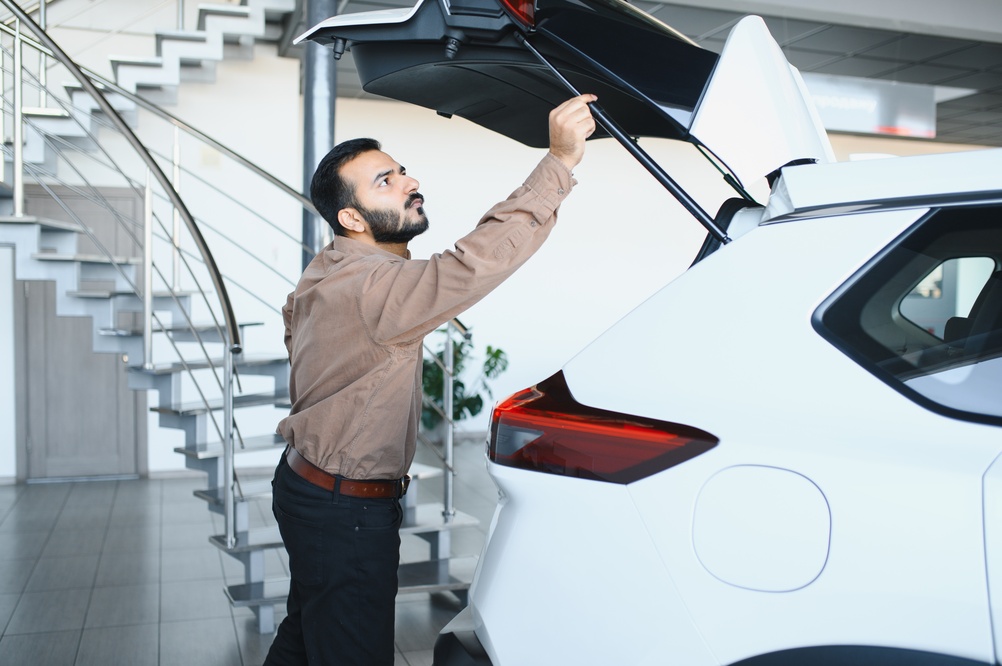
who provides reliable indoor car storage near me

A provider with both storage and transport capabilities can help reduce gaps between pickup, holding, and delivery. This can be especially useful for owners coordinating dealership transfers, fleet distribution, event arrivals, auctions, or private sales.

At its core, professional storage is about trust. Owners want to know their vehicle is protected from the elements, handled by trained professionals, and kept in a facility designed for valuable cars. They also want clear communication, flexible options, and confidence that the vehicle is being cared for properly. That is what separates true luxury storage from simply parking indoors: climate, security, preparation, access, documentation, and the people responsible for the car while it is out of your hands.

Who provides reliable indoor car storage near me?

Some cars are easy to park and forget. Yours probably is not one of them. At JP Logistics, we understand that a valuable vehicle comes with questions: where it will be kept, who will handle it, how it will be monitored, and whether it will be ready when you need it again. That is why we provide climate-controlled storage, monitored facilities, careful handling, and support before, during, and after transport. Whether your vehicle is staying with us for a short transition or a longer period of preservation, we can help keep it protected, accessible, and cared for until you are ready for it again. Reach out to us today!
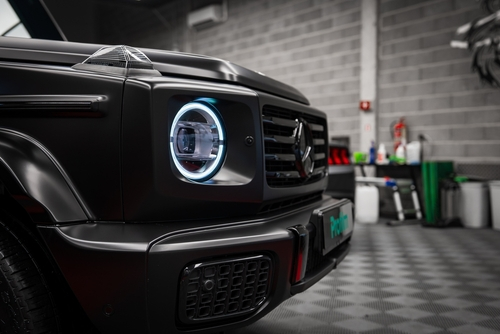

Why Climate-Controlled Storage Matters for Classic and Exotic Cars

  • Climate-controlled storage helps protect classic and exotic cars.
  • Stable conditions reduce risks from humidity, heat, cold, and dust.
  • Moisture can damage metal, leather, carpets, and enclosed cabins.
  • Professional storage adds security, handling, and environmental control.
  • Proper storage helps preserve vehicle condition, value, and readiness.

Classic and high-end vehicles deserve more than a quiet corner in a garage. Their finishes, interiors, mechanical systems, and long-term value can all be affected by the conditions around them, even when they are not being driven. Heat, cold, humidity, dust, and stagnant air may seem harmless at first, but over time, they can create problems that are expensive and frustrating to correct. 

That is why so many owners consider professional exotic car storage when they want a safer place for their prized vehicle. Today, we’ll explain why climate-controlled storage matters for classic and exotic cars, what it helps prevent, and how the right environment can protect your vehicle over time, so keep reading to learn more!

Why is it important to store collectible cars in a climate-controlled environment?

Collectible vehicles are often built with materials that need stable conditions. Leather, wood trim, rubber seals, paint, chrome, electronics, and mechanical components can all react to environmental changes. A standard garage may offer basic shelter, sure, but it does not always protect against humidity swings, temperature changes, airborne dust, or long periods of inactivity.

A climate-controlled environment helps reduce those risks by keeping the vehicle in a more consistent setting. This matters because collectible cars are rarely just transportation. They may be investments, restorations, family heirlooms, show vehicles, or limited-production models. Preserving them requires more than keeping them out of rain and direct sunlight.

Moisture can quietly cause damage

Moisture is one of the biggest concerns for stored vehicles. When humidity rises, condensation can form on metal surfaces, especially when temperatures shift. Over time, that can contribute to corrosion on exposed metal, undercarriage components, brake parts, and hardware. Even vehicles that appear clean and dry can be affected if they are stored in a damp space for weeks or months.

Moisture can also affect interiors. Leather may absorb humidity, carpets can hold musty odors, and enclosed cabins can become vulnerable to mildew if the environment is not properly managed.

Temperature swings can stress materials

Large temperature changes may seem like a minor inconvenience, but they can gradually stress the materials inside and outside a vehicle. Rubber seals can dry or contract. Leather may become stiff. Paint and trim may expand and contract at different rates. Electronics and batteries can also be affected by extreme heat or cold.

Climate-controlled storage helps reduce these swings. Instead of sitting in a hot, humid garage in summer or a cold, dry space in winter, the vehicle remains in a more balanced environment. That stability supports better long-term preservation.

Collectible cars often sit longer between drives

Many classic and high-end vehicles are not driven daily. Some are seasonal, some are stored during travel, and others are held between auctions, shows, relocations, or restoration work. When a car sits, small environmental problems have more time to develop.

Climate-controlled storage can be especially useful when a vehicle is being stored during:

what are the benefits of climate controlled storage
  • Extended travel or time away from home
  • A move between residences or properties
  • Seasonal weather changes or winter months
  • The period before or after enclosed transport
  • Auction, event, or concours scheduling
  • International shipping or delivery coordination

That is why the storage plan should match how long the vehicle will be off the road. A car being kept for a few weeks may need different attention than one being preserved for several months. Whether the situation calls for a short stay or an extended preservation plan, the goal is the same: keep the vehicle protected, accessible, and ready for its next use.

Ordinary indoor parking may not be enough

Indoor parking is a good start, but it does not automatically mean a vehicle is being stored correctly. A basic garage may still have poor ventilation, unstable humidity, open access, dust exposure, pest concerns, or limited monitoring. For high-value vehicles, that can leave too much to chance.

Professional storage is about more than a protected indoor space. It includes security, careful handling, controlled conditions, and attention to details that standard parking facilities may overlook. For collectible vehicles, those differences matter.

What are the benefits of climate-controlled storage?

Climate-controlled storage provides practical protection that helps preserve a vehicle’s condition, appearance, and readiness. It does not replace proper maintenance, but it creates a stronger foundation for long-term care.

Exterior finishes stay better protected

Paint, chrome, wheels, trim, and seals are all exposed to the air around the vehicle, even indoors. In an uncontrolled space, dust, humidity, and temperature changes can slowly affect the finish. Climate-controlled storage helps reduce exposure to the conditions that make detailing, paint correction, or corrosion repair more likely later.

This is especially important for vehicles with custom paint, rare finishes, older chrome, or delicate exterior materials. The more original or valuable the finish is, the more important the environment becomes.

Interior materials need stable conditions

Vehicle interiors can be especially sensitive. Leather can dry, crack, or absorb moisture. Wood trim may react to humidity changes. Cloth, carpet, and headliners can trap odors if a space is damp or poorly ventilated. Even plastics and adhesives may age faster in extreme heat.

A controlled storage environment helps maintain more stable conditions around these materials. That can make a major difference for classic cars with original interiors or high-end vehicles with premium leather, suede, carbon fiber, and custom cabin finishes.

Storage-related mechanical problems become less likely

A stored vehicle still needs care. Batteries can lose charge, tires can develop pressure issues, and fluids should be monitored. Climate control helps by reducing environmental stress, but the best storage facilities also pay attention to the vehicle itself.

Before a car is stored, it should be ready before it enters storage. That usually means it is clean, inspected, free of obvious fluid leaks, properly documented, and prepared for the length of time it will be parked. Good preparation and the right environment work together.

Rare and investment-grade vehicles deserve the right setting

Collectors often think in terms of condition, originality, mileage, documentation, and provenance. Storage conditions support all of those priorities because the wrong environment can slowly work against the value of the vehicle.

For example, a rare model may lose appeal if interior materials deteriorate, chrome begins to pit, paint becomes compromised, or musty odors develop. Climate-controlled storage helps reduce those risks by treating the vehicle as a valuable asset rather than just another parked car.

Security should work alongside environmental protection

Climate control matters, but it is only one part of proper storage. Security is just as important. A professional facility should offer monitored access, indoor bays, careful vehicle handling, and systems designed to protect against theft, damage, and unnecessary movement.

For owners who travel often, move between homes, manage collections, or coordinate shipping, this combination of environmental control and security is especially valuable. It means the car is not just sitting somewhere; it is being looked after in a setting designed for high-value vehicles.

Transport and relocation timelines become easier to manage

Many owners need storage during a move, before or after transport, while waiting for international shipping, or between events. Climate-controlled storage can close the gap between pickup and delivery, which helps prevent a vehicle from being left in an unsuitable location.

This is helpful for private owners, dealerships, collectors, auction houses, and event participants. Instead of coordinating storage, transport, and handling separately, a professional provider can help make the process smoother from start to finish.

Owners gain more confidence while the vehicle is stored

Perhaps the biggest benefit is confidence. Owners should not have to wonder whether their vehicle is exposed to heat, moisture, dust, or careless handling. With the right facility, they can know the car is stored indoors, monitored, and treated with the level of care its value deserves.

That peace of mind is especially important for vehicles that are difficult to replace. A collectible car may represent years of searching, restoring, or preserving. The storage environment should respect that.

Who can I contact for the safest exotic car storage near me?

who can i contact for the safest exotic cars storage near me

If you want your vehicle stored with the same level of care you put into owning it, JP Logistics is a strong place to start. Since 1995, our team has worked with luxury, classic, and high-end vehicles that need more than basic indoor parking. With climate-controlled storage, monitored facilities, trained handlers, and locations throughout the continental U.S., we make it easier to protect your car between drives, moves, events, or long-distance transport. Wherever your car is headed, our team can help you find a storage plan that feels secure, practical, and tailored to your needs. Contact us today or request a quote on our website to discuss the next steps!