Transporting a high-value vehicle is not a decision most owners take lightly. Whether you’re relocating, purchasing a rare model, or sending a car to an event, choosing the right shipping method plays a major role in protecting your investment. Many people researching luxury single car transport quickly discover there are two primary options: open and enclosed transport.
While both can move a vehicle from point A to point B, the level of protection, care, and risk involved differs significantly. Understanding these differences helps you choose the option that aligns with your vehicle’s value, condition, and purpose.
What’s the difference between open and enclosed transport?
While both car transportation methods bring numerous advantages, there’s a distinction between open and enclosed transport, and it goes beyond whether a vehicle is covered. It affects exposure, handling, and overall risk during transit.
Open transport basics
Open transport uses carriers with multiple vehicle slots where cars are secured on open-air trailers. This method is widely used by dealerships and manufacturers because it allows several vehicles to be moved at once.
While open transport is cost-effective, it exposes vehicles to:
- Weather such as rain, snow, sun, and wind
- Road debris like dust, gravel, and small stones
- Environmental residue, including pollen or industrial fallout
For standard daily drivers, this exposure is often acceptable. For luxury or collectible vehicles, even minor cosmetic damage can be costly or difficult to repair.
Enclosed transport explained
Enclosed transport places your vehicle inside a fully enclosed trailer, shielding it from outside conditions throughout the journey. This method is designed specifically for vehicles that require additional protection.
Enclosed transport typically includes:

- Full protection from weather and debris
- Enhanced privacy during transit
- Hydraulic lift gates or low-angle ramps for low-clearance vehicles
- Soft tie-down systems that reduce pressure on suspension components
This approach creates a controlled environment that minimizes risk from pickup to delivery.
Is enclosed transport worth it?
For many luxury vehicle owners, the answer depends on the level of protection they expect and the potential cost of damage.
1. Protecting appearance and finish
Luxury vehicles often feature custom paint, carbon fiber components, or rare trim materials. Even small chips or scratches can diminish value or require specialized repair. Enclosed transport greatly reduces exposure to conditions that cause cosmetic damage.
2. Preserving long-term value
For collectors or owners of limited-production models, maintaining pristine condition matters. Transporting a vehicle without exposure helps preserve originality, which can impact long-term resale or appraisal value.
3. Avoiding unnecessary wear
Driving a vehicle long distances adds mileage, tire wear, and mechanical stress. Professional transport eliminates these factors, which is especially important for performance cars or vehicles not intended for daily use.
4. Reducing logistical stress
With enclosed transport, vehicles are typically handled less frequently and loaded individually. This reduces the chance of movement-related damage and simplifies scheduling and delivery coordination.
Situations where open transport may still be suitable
Open transport can still be appropriate in certain cases, such as:
- Short-distance moves
- Vehicles without specialty finishes
- Situations where the budget outweighs cosmetic concerns
Even then, selecting a carrier with experience handling single vehicles carefully is essential.
Other factors to consider when choosing transport
Beyond coverage type, several additional elements can influence your decision.
1. Distance and route
Longer routes increase exposure time. The farther a vehicle travels, the greater the cumulative risk of environmental damage when using open transport.
2. Vehicle clearance and modifications
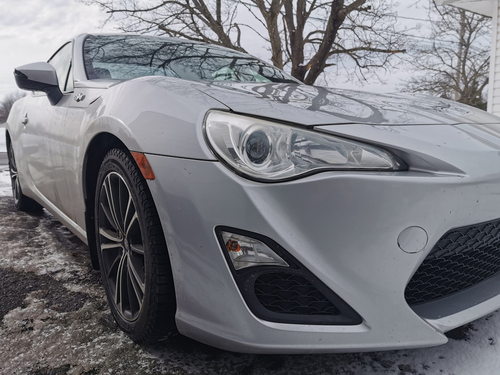
Lowered suspensions, extended splitters, or custom wheels often require specialized loading equipment. Enclosed carriers are better equipped to handle these features safely.
3. Timing and scheduling
Enclosed transport often offers more precise pickup and delivery windows. This can be important when coordinating around events, auctions, or tight timelines.
4. Insurance coverage
Enclosed transport typically comes with higher insurance limits. Verifying coverage details before booking helps ensure peace of mind.
Who do I rely on for professional luxury single car transport?
Choosing a transport provider is just as important as choosing the transport method. JP Logistics has specialized in enclosed transportation and storage of luxury, exotic, and classic vehicles since 1995. With a private fleet, nationwide terminals, and white-glove handling standards, our team focuses on discretion, security, and precision at every stage of the journey, utilising modern shipping technology to keep your vehicle well-cared for.
If you’re seeking professional luxury single car transport that prioritizes protection and reliability, we offer the experience and infrastructure high-end vehicles demand.